Day: May 9, 2024

A Breath of Fresh Air – The Revitalizing Effects of Air Conditioning Inspection

In the scorching heat of summer, there is nothing quite as refreshing as walking into a cool, air-conditioned room. Air conditioning has become a staple in modern life, providing comfort and relief from oppressive temperatures. However, like any other system, air conditioners require regular maintenance to function efficiently. One crucial aspect of this maintenance is inspection a process that not only ensures the system’s longevity but also contributes to improved air quality and energy efficiency. An air conditioning inspection involves a thorough assessment of various components, including filters, coils, ducts, and refrigerant levels. These inspections are typically conducted by HVAC professionals who possess the expertise to identify potential issues and address them before they escalate into costly repairs. One of the primary benefits of air conditioning inspection is the improvement of indoor air quality. Over time, air filters accumulate dust, dirt, pollen, and other allergens, which can compromise the quality of the air circulating within a space. Regular maintenance extends the lifespan of air conditioners by preventing premature wear and tear.
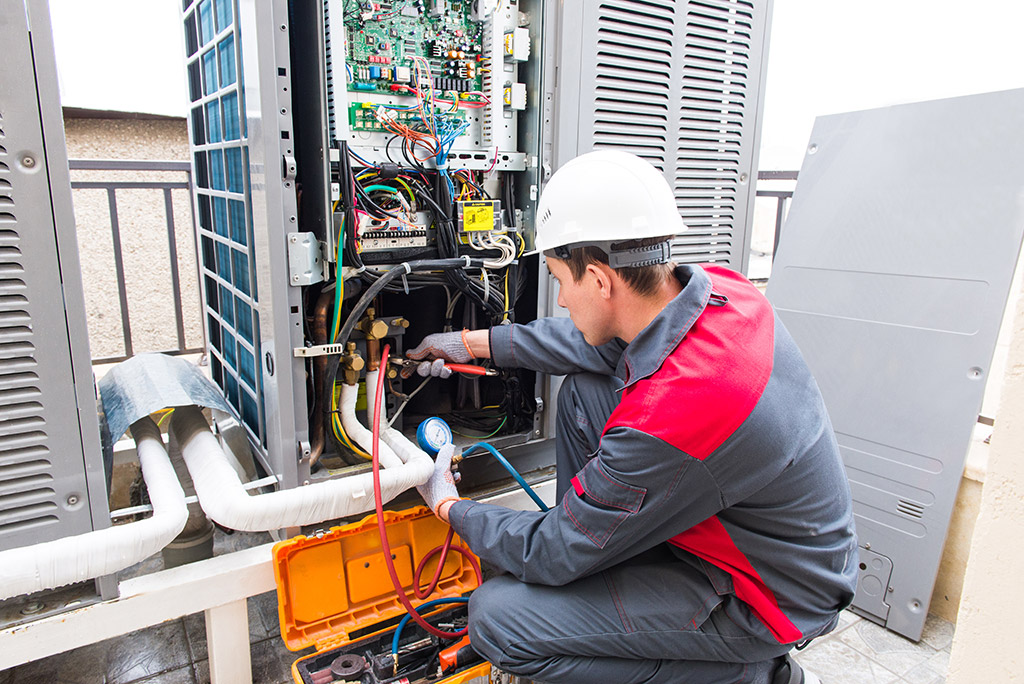
10 Signs Your Air Conditioner Needs Repair | Cleveland, TN

A neglected air filter not only diminishes air quality but also strains the system, leading to reduced efficiency and increased energy consumption. During TM44 inspection, technicians replace or clean filters, ensuring that the air conditioner functions optimally and maintains healthy indoor air quality. Moreover, regular inspections help prevent the buildup of mold and mildew within the system. Moisture and organic matter present in air conditioning components create an ideal environment for mold growth, posing serious health risks to occupants. By identifying and addressing moisture issues early on, inspections mitigate the risk of mold proliferation, safeguarding both the system and the health of individuals within the space. Energy efficiency is another significant advantage of air conditioning inspection. A well-maintained system operates more efficiently, consuming less energy to cool a given space. Dirty filters, clogged coils, and refrigerant leaks are common culprits behind reduced efficiency. During an inspection, technicians clean components, check refrigerant levels, and identify any leaks or inefficiencies that may be compromising the system’s performance.

By rectifying these issues, inspections not only optimize cooling performance but also lower energy bills, making them a cost-effective investment in the long run. Furthermore, air conditioning inspections contribute to the longevity of the system. Components that are neglected or malfunctioning are more prone to breakdowns, which can result in costly repairs or even the need for a full system replacement. By conducting inspections at regular intervals, homeowners and businesses can prolong the lifespan of their air conditioning systems, ultimately saving money and reducing environmental impact by minimizing the need for new equipment. In addition to these practical benefits, air conditioning inspections offer peace of mind to homeowners and facility managers. Knowing that their systems are operating efficiently and effectively allows individuals to enjoy uninterrupted comfort without the worry of unexpected breakdowns or compromised air quality. Moreover, regular maintenance enhances the resale value of properties by demonstrating a commitment to proper upkeep and ensuring that potential buyers or tenants inherit a well-maintained HVAC system.

Efficiency Elevated – CO2 Flowmeters Enhance Emission Tracking Accuracy

In the realm of environmental consciousness, precision is paramount. As industries and governments worldwide intensify their efforts to curb carbon emissions, the demand for accurate emission tracking tools has soared. Among these tools, CO2 flowmeters have emerged as pivotal instruments, elevating efficiency and enhancing accuracy in emission monitoring systems. At the heart of emission tracking lies the need for reliable data acquisition. CO2 flowmeters excel in this regard, offering unparalleled precision in measuring the flow rate of carbon dioxide emissions. By seamlessly integrating into existing monitoring infrastructures, these flowmeters provide real-time data streams, empowering industries to make informed decisions swiftly. Whether in manufacturing facilities, power plants, or transportation networks, the ability to monitor CO2 emissions with precision is indispensable for effective environmental management. One of the primary advantages of CO2 flowmeters is their versatility across diverse industrial applications. From large-scale industrial processes to small-scale commercial operations, these flowmeters can be tailored to suit varying needs. This adaptability ensures that emission tracking remains comprehensive and accurate across different sectors, facilitating a holistic approach to environmental stewardship.

Moreover, advancements in flowmeter technology have led to the development of portable and compact devices, further expanding their utility in mobile emission monitoring and compliance verification tasks. In addition to their versatility, CO2 flowmeters offer notable improvements in measurement accuracy. Traditional emission tracking methods often rely on estimations or indirect measurements, introducing inherent uncertainties. In contrast, CO2 flowmeters provide direct and precise measurements of carbon dioxide flow rates, minimizing inaccuracies and enhancing the reliability of emission data. This heightened accuracy not only aids in regulatory compliance but also enables industries to identify potential emission reduction opportunities with greater clarity. Furthermore, the integration of CO2 flowmeters into emission monitoring systems facilitates proactive emissions management strategies. By continuously monitoring co 2 flowmeters online emissions in real-time, industries can promptly detect deviations from expected levels and take corrective actions as needed. This proactive approach not only ensures compliance with emission regulations but also enables organizations to optimize their operations for enhanced efficiency and sustainability.

From optimizing combustion processes to minimizing fugitive emissions, the insights derived from CO2 flowmeter data empower industries to mitigate their environmental impact effectively. Beyond regulatory compliance, the adoption of CO2 flowmeters fosters a culture of transparency and accountability in emission reporting. Accurate and verifiable emission data are essential for building trust among stakeholders, including regulators, investors, and the general public. By employing CO2 flowmeters, industries demonstrate their commitment to transparent environmental stewardship, fostering goodwill and bolstering their reputation as responsible corporate citizens. Moreover, the proliferation of CO2 flowmeters is driving innovation in emission monitoring technologies as a whole. As demand for more robust and integrated monitoring solutions grows, manufacturers are investing in research and development to enhance the capabilities of CO2 flowmeters. From incorporating artificial intelligence algorithms for predictive analytics to leveraging Internet of Things IoT connectivity for remote monitoring, the evolution of CO2 flowmeter technology is poised to revolutionize emission tracking practices in the years to come.