How to Manage Plantar Fasciitis Pain during Workouts and Sports
Managing plantar fasciitis pain during workouts and sports is crucial to prevent exacerbation of symptoms and promote healing of the inflamed plantar fascia. Individuals with plantar fasciitis can continue to engage in physical activities with proper management strategies that reduce strain on the foot and alleviate discomfort. Firstly, it is essential to choose appropriate footwear designed specifically for the activity being performed. Shoes with good arch support, cushioning in the heel and forefoot, and a supportive midsole can help distribute pressure evenly across the foot and reduce stress on the plantar fascia. Consider using orthotic inserts or custom-made orthotics prescribed by a healthcare provider to provide additional support and alignment for the foot during workouts and sports. Before starting any physical activity, it is crucial to perform a thorough warm-up routine that includes dynamic stretching exercises for the calf muscles, Achilles tendon, and plantar fascia.
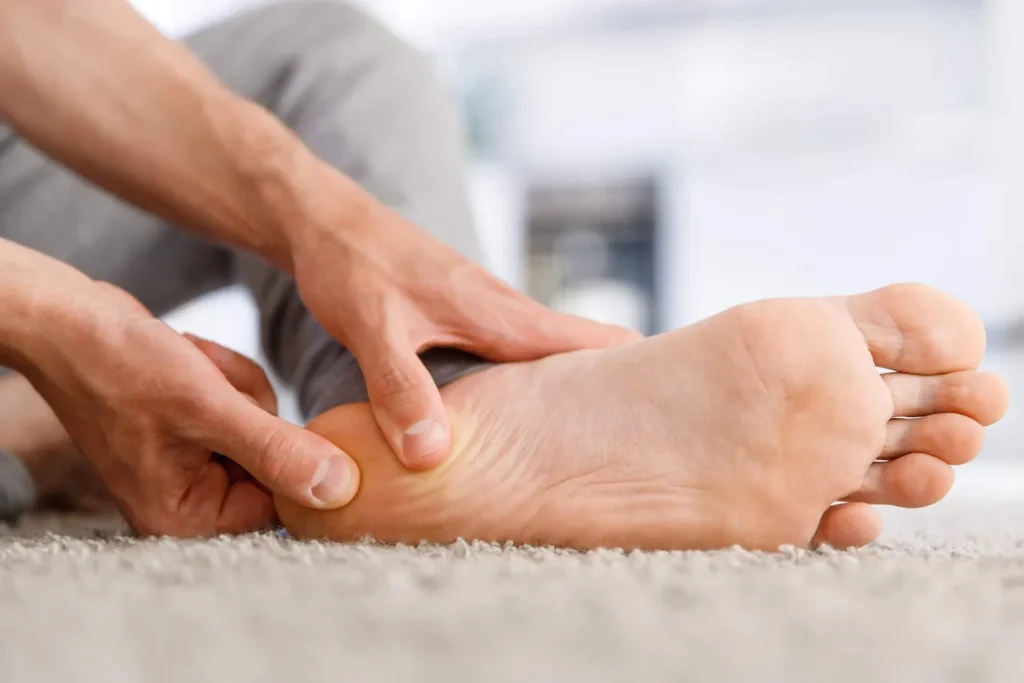
Gentle stretching helps increase flexibility and improve blood flow to the tissues, reducing the risk of injury and easing plantar fasciitis pain during exercise. Focus on stretching exercises that target the calf muscles, such as calf raises, toe curls, and towel scrunches, to alleviate tension and improve foot mobility. During workouts or sports activities, pay attention to your body’s signals and avoid overexertion or activities that exacerbate plantar fasciitis symptoms. Modify high-impact exercises such as running or jumping if they cause pain, and consider incorporating low-impact alternatives such as swimming, cycling, or using an elliptical machine to reduce stress on the feet while maintaining cardiovascular fitness. Incorporating regular rest breaks during workouts allows the plantar fascia to recover and reduces the risk of overuse injuries. Ice therapy can also be beneficial after exercise sessions to reduce inflammation and alleviate pain. Apply an ice pack or use an ice massage technique on the bottom of the foot for 15-20 minutes to help numb pain receptors and promote healing of the plantar fascia.
After completing workouts or sports activities, perform cooldown exercises and stretches to help prevent muscle stiffness and promote recovery. Focus on gentle stretching of the calf muscles and history of plantar fasciitis to maintain flexibility and reduce tension in the foot. Consider using a foam roller or tennis ball to massage the bottom of the foot and relieve tightness in the plantar fascia. If plantar fasciitis pain persists or worsens despite conservative management strategies, it is essential to consult with a healthcare provider or sports medicine specialist. They can provide a comprehensive evaluation, recommend appropriate treatments, and help develop a personalized exercise plan that addresses the specific needs and limitations associated with plantar fasciitis. By incorporating these management strategies into your workout routine, you can effectively manage plantar fasciitis pain, prevent further injury, and maintain an active and healthy lifestyle.